Co-Founder & Chief Scientist, Thinkpaws Sustainability Research Foundation
DBT/Wellcome Trust UK India Alliance Fellow (National Centre for Biological Sciences, TIFR & University of Oxford)
The best time to think holistically about urban development was 150 years ago. The next best time is now.
Cities like Delhi have people/admins/executives/judiciary who feel we can have “Development Wormholes” to jump to a future where some urban aspirations are justified. We must realise that each affable model in western cities has had its own share of coexistence problems, and there is no planning shortcut.
The recent Supreme Court directive to relocate all stray dogs in Delhi-NCR to shelters within 8 weeks reflects a deeper malaise in how we conceptualize urban development. In Delhi, which is 1/3rd of NCR, it means creating shelters for around 825,313 (SE: 130,475) stray dogs with CCTV monitoring to ensure they never return to streets – a reactive measure that sidesteps fundamental questions about inclusive urban planning.
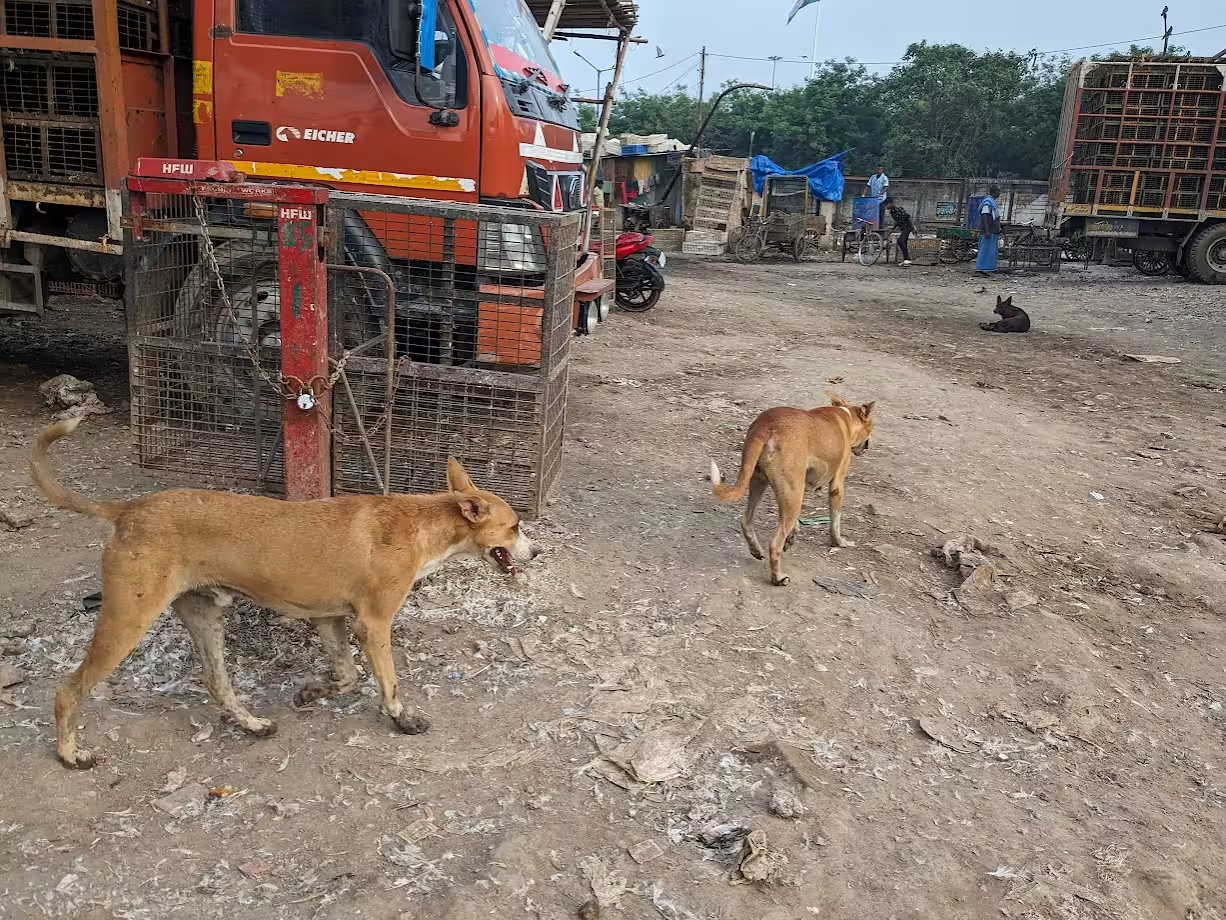
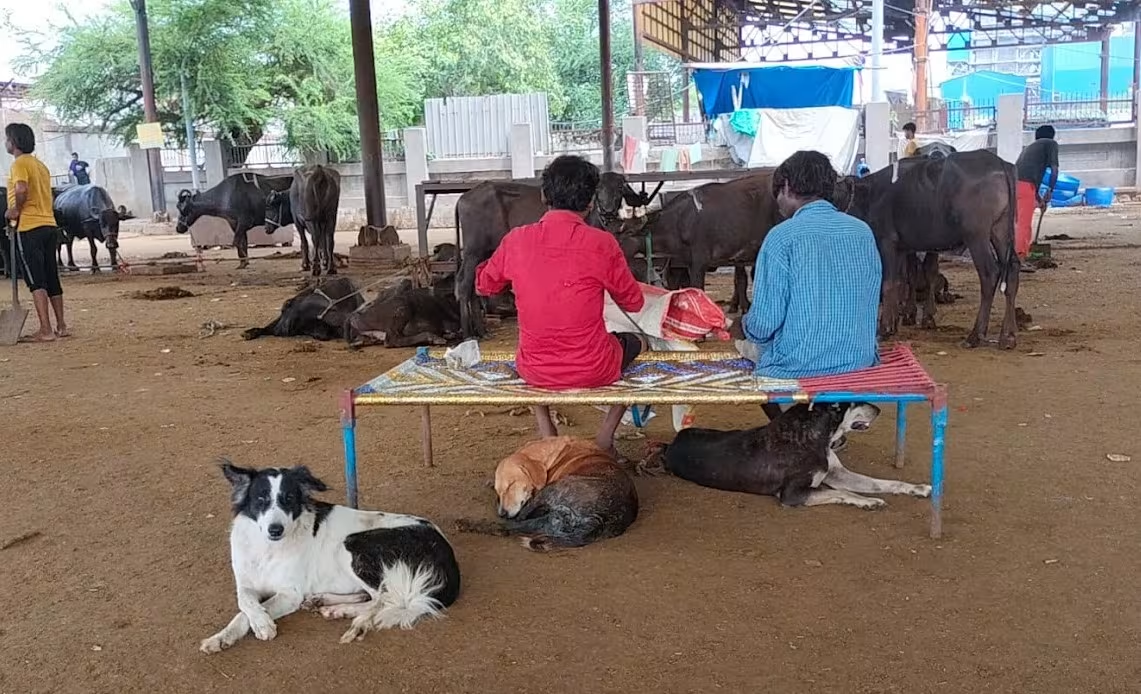
The “stray dog problem” is symptomatic of broader development blind spots. When we examine who gets to occupy urban spaces, the answer reveals uncomfortable truths about class, privilege, and belonging. The same dogs that middle-class/higher residents want removed coexist (with conflicts) with informal settlements, street vendors, and waste workers – all part of an urban ecosystem that the privileged prefer invisible.
Cities like Delhi cannot magically transform into sanitized Western models without acknowledging their unique developmental trajectory.
Real solutions demand asking uncomfortable questions:
1) Who defines “menace” and from whose perspective?
2) How do we balance public health concerns with humane coexistence?
3) What does truly inclusive development look like for cities with vast informal economies?
The logistical and ethical absurdity becomes apparent when we consider the ground reality: dogs are sentient, territorial beings. Cramming thousands into enclosed spaces—essentially glorified cages—mirrors putting any carnivore of similar size (wolves/ jackals) in confinement. They will fight, injure each other, and inevitably escape.
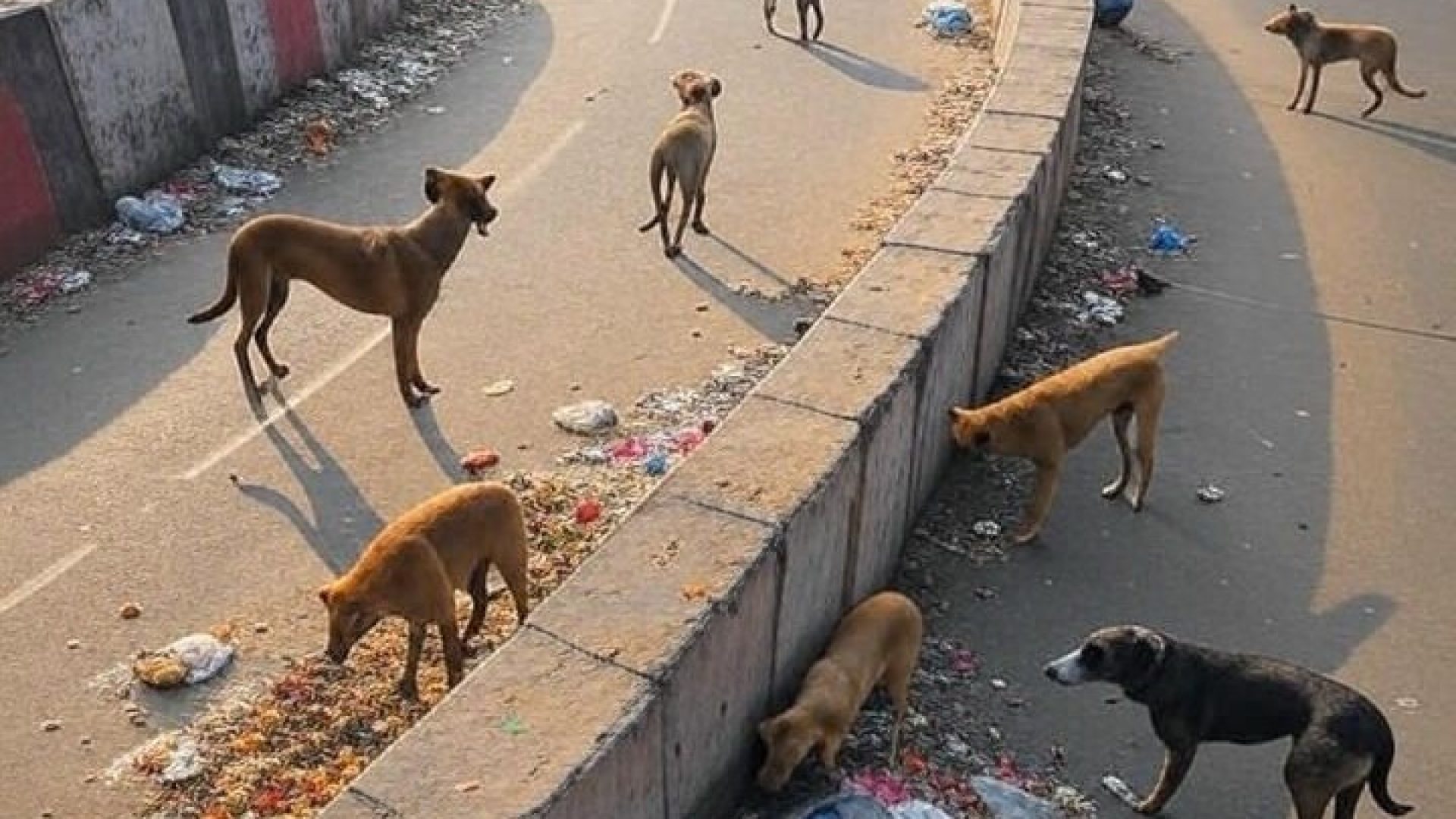
The numbers are staggering: NCT of Delhi (1500 km.sq) alone has over a million strays. India hosts nearly a100 million free-ranging dogs—the world’s largest such population. Where exactly is the land for these mass shelters? Who will manage this unprecedented logistical nightmare?
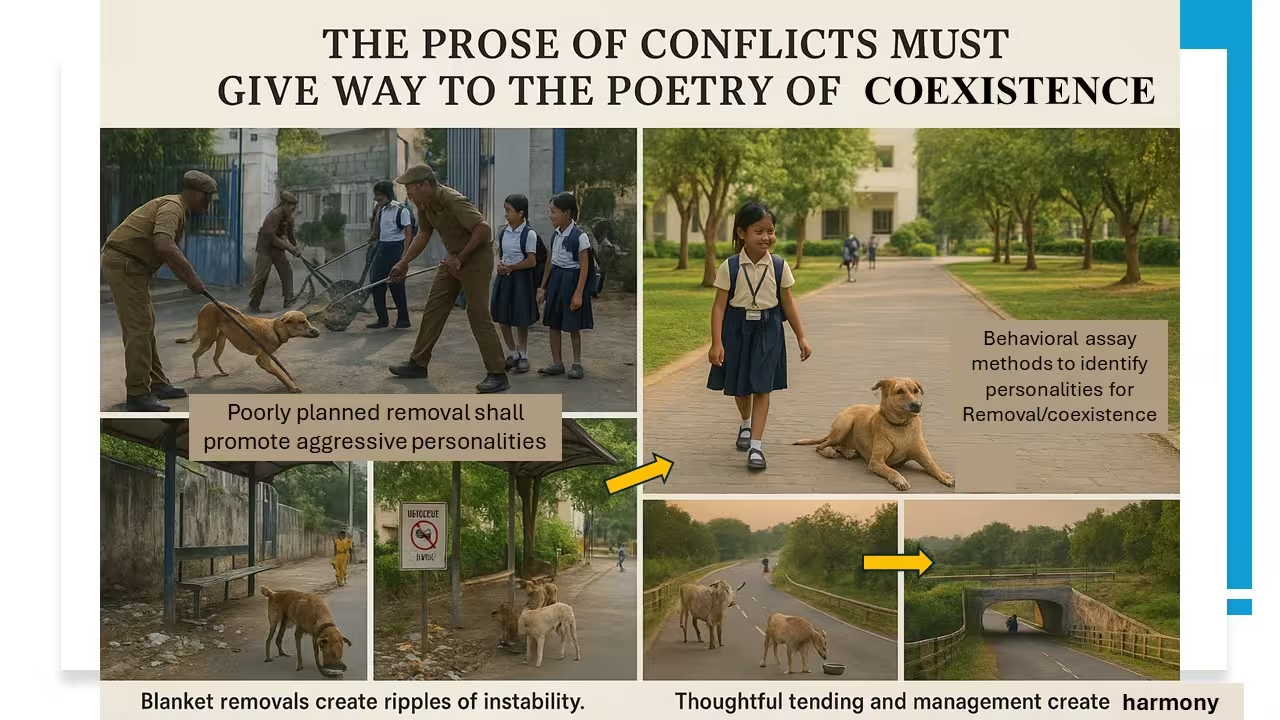
Moving dogs to shelters might satisfy those who can afford gated communities, but it doesn’t address the systemic issues that created this situation. We need urban planning that recognizes cities as complex ecosystems where multiple species and social groups can coexist sustainably.
For those interested into nuances of science behind this piece – Read More Here.