Subsequent to the pioneering article sharing the quantitative estimates of dog population in August 2025 for the first time, Thinkpaws has now published the full study report sharing deeper insights and pioneering data around population dynamics and interventions.
Read the full preprint study here:
As debates over street dog management intensify in the wake of recent court judgements, new research from Delhi reveals that human–animal conflict in tropical cities cannot be solved by culling, relocation, or isolated species-based interventions. Instead, it is deeply rooted in how urban societies feed, house, and relate to other species.
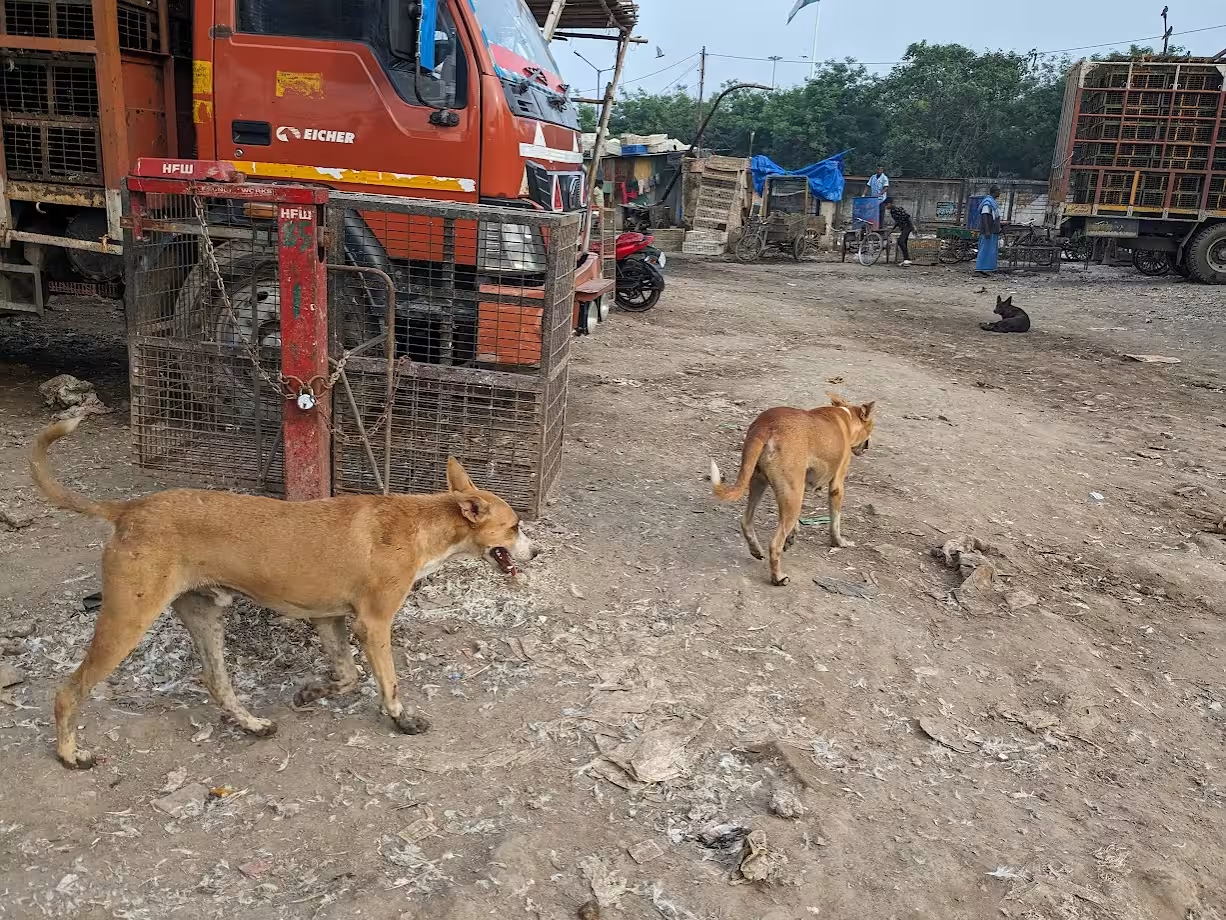
In Delhi, ground-dwelling dogs, tree-dwelling macaques, and aerial black kites all depend on human-created resources: ritual feeding, garbage points, and built structures. These same systems that sustain coexistence also generate friction: millions of dog bites annually in India, macaque incursions into homes and offices, and kites near airports threatening aviation safety.
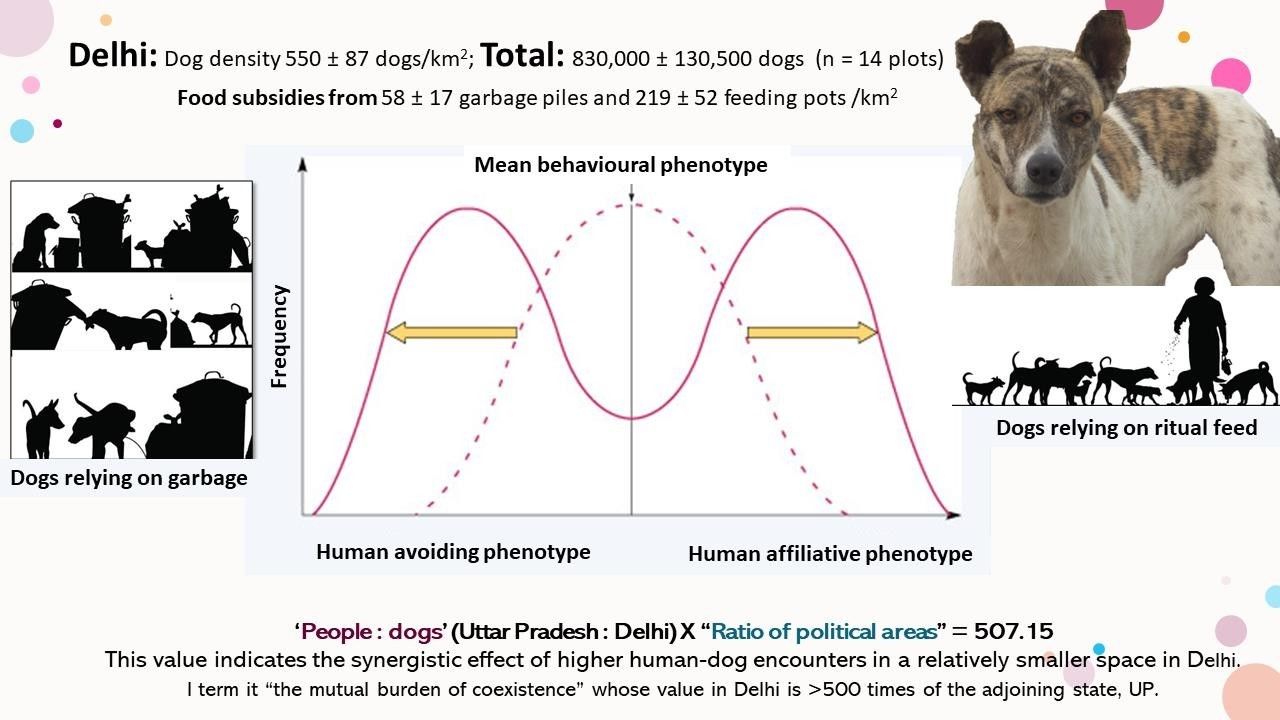
Our long term study (2012–2024) combined ecological surveys and ethnographic interviews across socioeconomically diverse neighbourhoods to understand these dynamics. We estimated Delhi’s free-ranging dog population at roughly 795,000 (530 ± 89 dogs/km²), supported by over 327,000 feeding sites and 85,000 garbage points—infrastructure capable of sustaining nearly twice that number.
Dog density was strongly linked to intentional feeding, not accidental waste, and denser areas showed male-skewed populations. When 50 macaques were removed from a university campus, numbers rebounded within a month—showing translocation fails when religious feeding and architectural access remain unchanged.
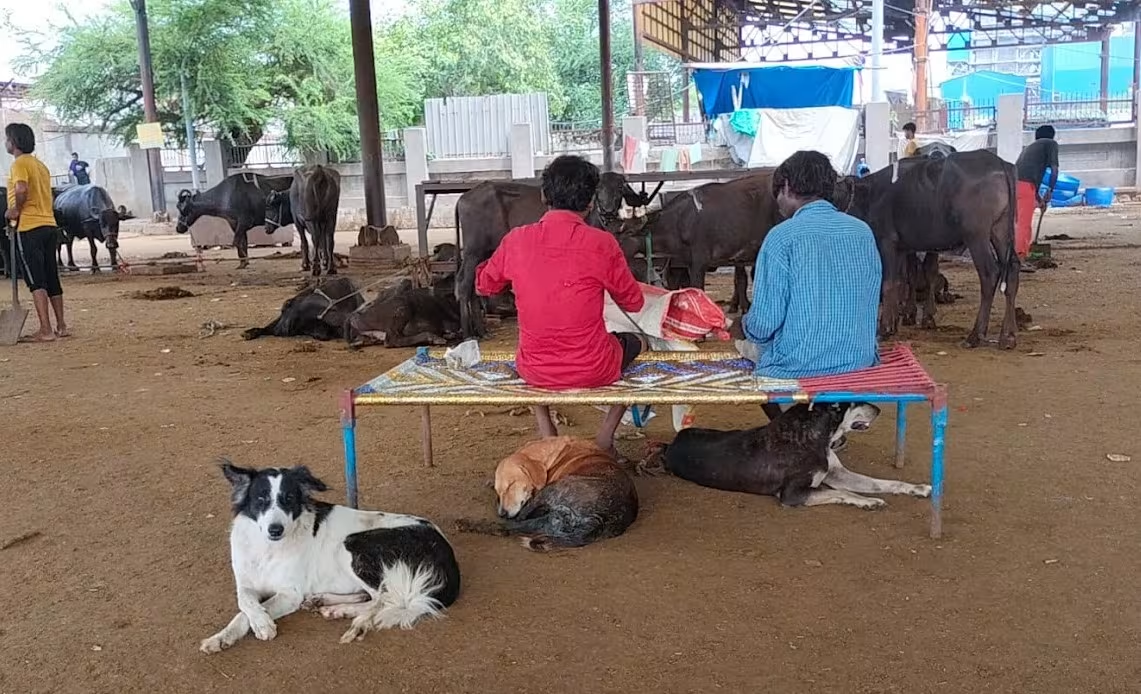
Interviews with 65 residents and workers revealed that outdoor labourers face the highest risks yet hold the least say in management decisions.
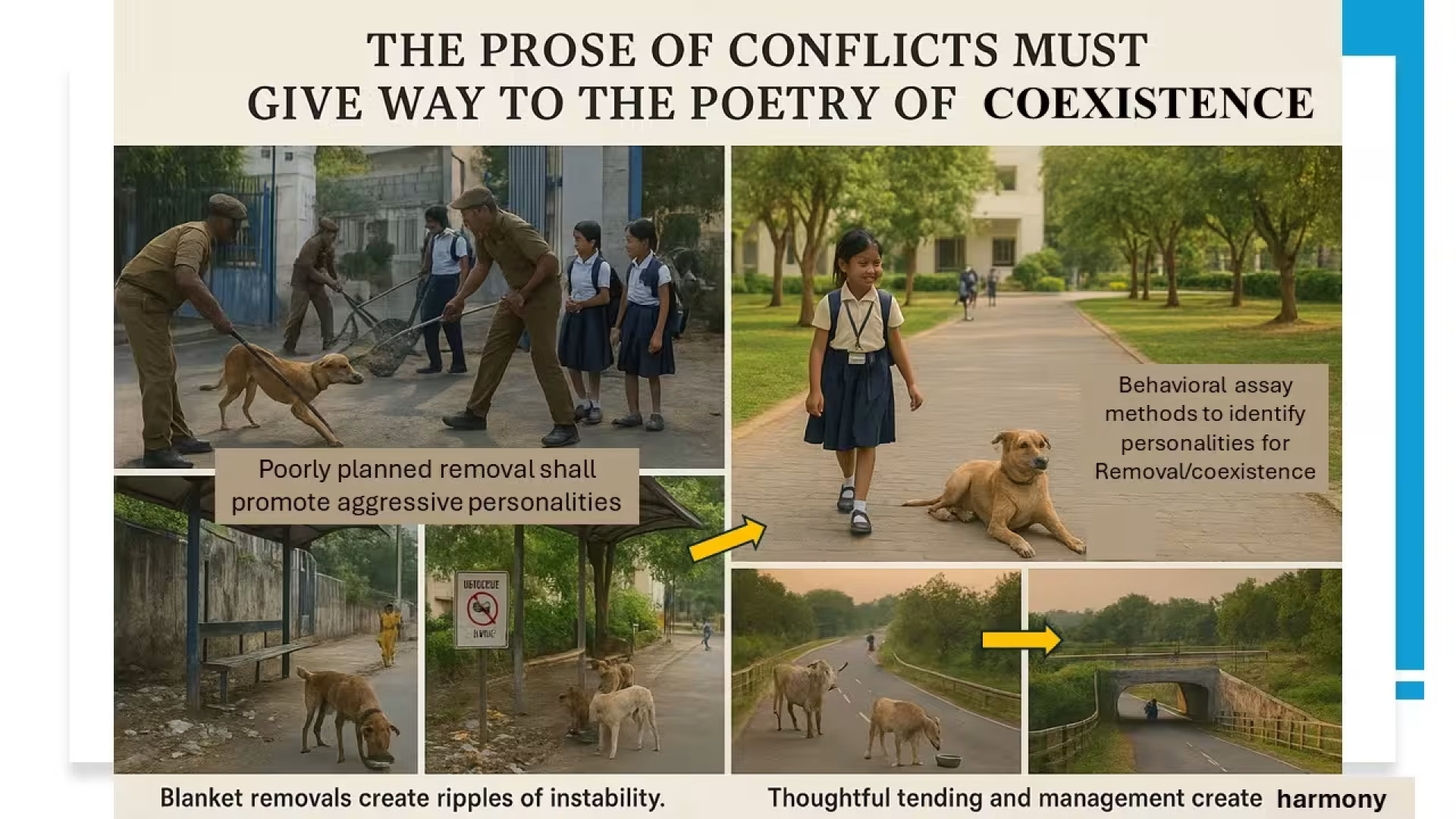
These findings highlight that urban coexistence is not a technical problem of animal control but a social-ecological negotiation shaped by inequality, infrastructure, and belief. Effective and humane management must reform human practices—feeding systems, waste handling, and urban design—rather than target animals themselves.
This research reframes the street-dog debate as a question of urban governance and environmental justice, offering evidence-based pathways toward safer, fairer multispecies cities.